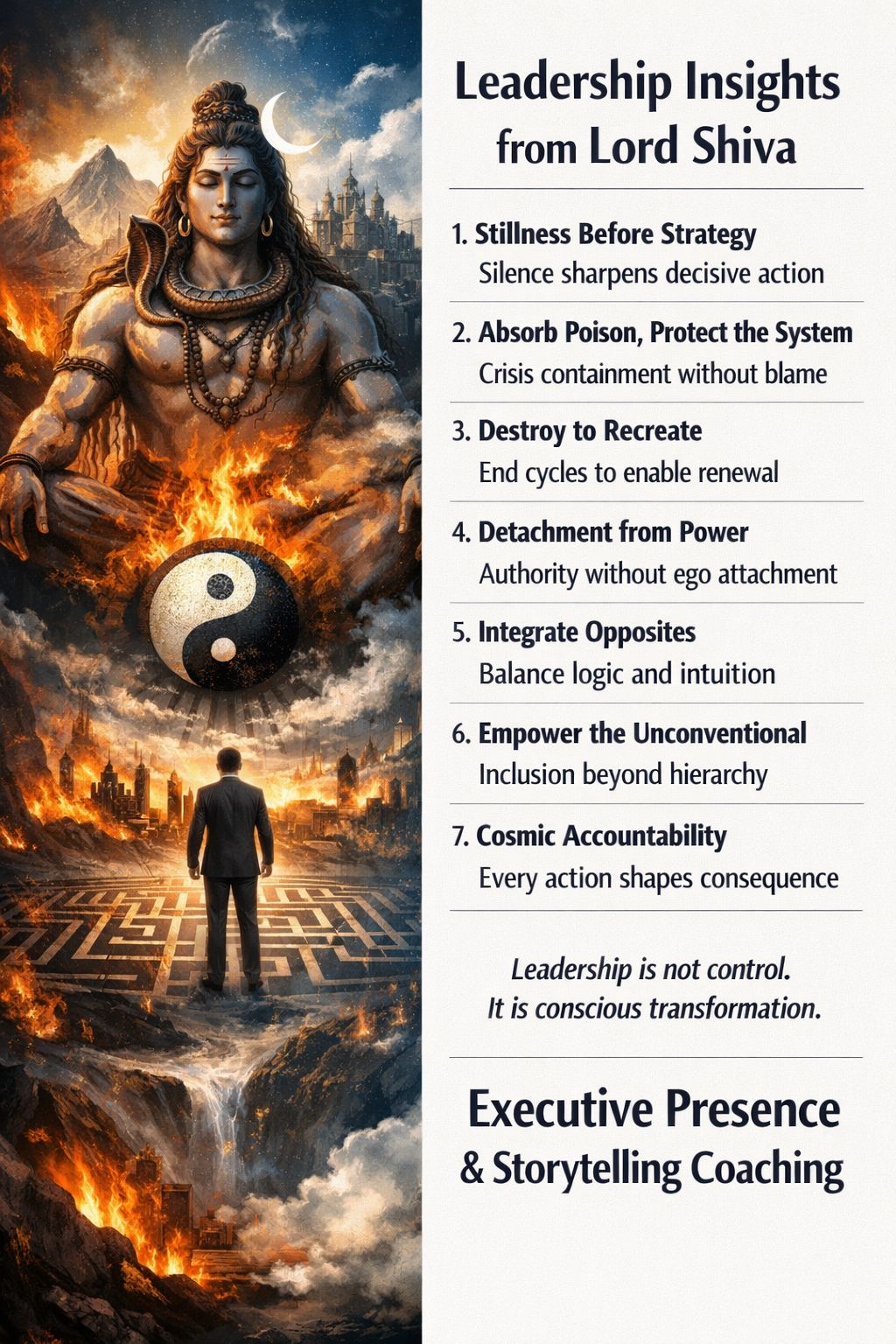


Executive presence is not about having the loudest voice, the most impressive designation, or the most polished appearance. It is about earning people’s trust in your judgement, valuing your communication, and feeling confident in your leadership.
In an era of hybrid work, AI-driven transformation, and increasing stakeholder expectations, executive presence has become an important leadership capability. Research published by the Center for Talent Innovation identified three core dimensions: gravitas, communication, and appearance. Its earlier research suggested that executive presence influenced 26% of promotion-related decisions.
More recent leadership research from McKinsey highlights the importance of communication, trust, feedback, psychological safety, and sound decision-making in effective leadership teams.
The good news? Executive presence is not an inborn gift. It can be developed through deliberate daily practice.
12 ways to strengthen your executive presence
1. Communicate with clarity
Why it matters: Unclear communication creates confusion and weakens confidence in your judgement.
Try this: Lead with your main message, support it with two reasons, and finish with a clear recommendation.
Example: Instead of presenting 10 slides before stating the problem, begin a leadership meeting with the required decision and the business impact.
2. Listen to understand
Why it matters: Interrupting colleagues can make them feel undervalued and discourage valuable contributions.
Try this: Listen without preparing your response. Summarise the other person’s point before offering yours.
Example: During a project review, ask a colleague to explain a delay before proposing corrective action.
3. Develop a calm, confident voice
Why it matters: Rushed speech and excessive fillers can make strong ideas sound uncertain.
Try this: Slow down slightly, pause after important points, and finish sentences decisively.
Example: Before presenting quarterly results, rehearse your opening and practise pausing after key numbers.
4. Strengthen your body language
Why it matters: Distracted gestures and closed posture can undermine your message.
Try this: Maintain natural eye contact, sit or stand upright, and use purposeful gestures.
Example: In a client presentation, face the audience rather than reading continuously from the screen.
5. Demonstrate sound judgement
Why it matters: Leaders who react impulsively can create unnecessary risk.
Try this: Separate facts from assumptions, consider trade-offs, and explain your reasoning.
Example: Before approving a discount, assess its impact on margins, customer retention, and long-term value.
6. Build emotional intelligence
Why it matters: Ignoring emotions can escalate conflict and damage relationships.
Try this: Notice your reactions, acknowledge others’ concerns, and respond thoughtfully.
Example: When a team member misses a deadline, discuss the cause and the solution before assigning blame.
7. Tell compelling stories
Why it matters: Data informs; a relevant story helps people understand why the data matters.
Try this: Structure your message around a challenge, an action, and a measurable outcome.
Example: When proposing a customer-service initiative, share a real customer problem and show how resolving it could improve retention.
8. Speak up with constructive courage
Why it matters: Silence can allow flawed assumptions and preventable problems to persist.
Try this: Challenge ideas respectfully, using evidence and alternatives.
Example: In a strategy meeting, say, “What would happen if customer demand falls by 15%? Could we test this assumption first?”
9. Be reliable and accountable
Why it matters: Repeatedly missed commitments erode trust faster than impressive presentations can build it.
Try this: Set realistic deadlines, communicate risks early, and close every commitment.
Example: If a report will be delayed, inform stakeholders before the deadline and provide a revised delivery plan.
10. Invite feedback and keep learning
Why it matters: Without feedback, leadership blind spots can become habitual.
Try this: Ask a trusted colleague, “What is one behaviour I could improve in meetings?”
Example: After a presentation, request feedback on clarity, pace, and audience engagement, then apply one suggestion next time.
11. Adapt to your audience
Why it matters: The same message rarely works equally well for a board, a client, and a frontline team.
Try this: Understand what your audience values and adjust your language, evidence, and level of detail.
Example: Explain a technology investment to engineers through technical benefits and to executives through business outcomes, risks, and return on investment.
12. Lead with authenticity and humility
Why it matters: Pretending to know everything discourages openness and undermines credibility.
Try this: Acknowledge uncertainty, credit others, and be transparent about mistakes.
Example: A project leader who says, “I missed an important risk. Here is what I am changing,” demonstrates accountability and creates space for learning.
Three steps to make these habits stick
- Choose two behaviours: Identify the areas that would make the greatest difference to your leadership.
- Practise daily: Apply them in one meeting, conversation, or presentation every day.
- Review weekly: Seek feedback, reflect on progress, and choose the next improvement.
Conclusion
Executive presence is built through consistent behaviour, not occasional performance. Every meeting is an opportunity to communicate clearly, every disagreement is an opportunity to demonstrate maturity, and every commitment is an opportunity to earn trust.
A leader’s presence is not measured by how much attention they command, but by how much confidence they create.
#ExecutivePresence #Storytelling #ExecutiveCoaching #AnandMunshi #LeadershipDevelopment #LeadershipCommunication