
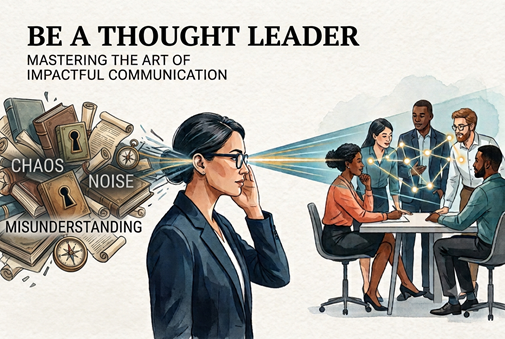
How to Talk So People Actually Listen: A Simple Guide to Better Communication
Being a good communicator just means making it easy for others to understand you. Here are eight simple, real-life ways to upgrade how you talk and connect with people every day.
1. Keep It Short and Sweet
When you use too many words, people tune out. Powerful talking is all about getting straight to the point.
The Philosophy: Respect people’s time, and they will respect your words.
- The Code:
Less text, more impact. - Real-World Example: You need to tell your boss that a project is going to be late.
- The Action: Instead of writing a long story about why it happened, say: “The report will be ready on Wednesday instead of Monday because we are waiting on the final data. Here is what we are doing to finish it quickly.”
- The Result: Your boss understands the situation instantly and appreciates your honesty and directness.
2. Do Your Homework Before Big Talks
Don’t just wing it when a conversation is important. Take a few minutes to think about what you want to say and how the other person might react.
The Philosophy: Confidence comes from being ready, not from guessing.
- The Code:
Fix the conversation before it even starts. - Real-World Example: You are going to ask your manager for a promotion or a raise.
- The Action: Don’t just say, “I need more money.” Write down a quick list of three specific goals you achieved this year and look up standard salaries for your role online.
- The Result: You stay calm, you don’t get nervous, and your manager takes you seriously because you have facts.
3. Remember, Your Body Speaks First
Your face, your posture, and your eyes tell a story before you even open your mouth. If your body language looks angry or bored, people won’t care what you are saying.
The Philosophy: People believe what they see before they believe what they hear.
- The Code:
Your posture is your first sentence. - Real-World Example: You are sitting in a team meeting listening to a coworker’s new idea.
- The Action: Uncross your arms, lean forward slightly, look them in the eye, and nod. If you are on a video call, look right into the camera lens.
- The Result: The speaker feels respected, and you look like a supportive, confident leader without saying a single word.
4. Watch Your Tone (Especially in Texts)
How you say something matters just as much as what you say. A bad tone can turn a friendly conversation into an argument very quickly.
The Philosophy: A soft, calm tone can solve a hard, angry problem.
- The Code:
Type angry, but send late. - Real-World Example: You receive an annoying, rude email or WhatsApp message from a coworker.
- The Action: Write down your angry reply, but do not hit send. Save it as a draft. Go drink a glass of water, wait an hour, and read it again. Remove the emotional words before sending.
- The Result: You avoid an ugly workplace fight and keep your professional reputation clean.
5. Stop Waiting for Your Turn to Speak
Most people don’t actually listen; they just wait for the other person to stop talking so they can jump in. True listening means focusing entirely on what the other person is feeling and saying.
The Philosophy: To be interesting to others, you must first be interested in them.
- The Code:
Listen to learn, not to argue. - Real-World Example: An employee comes to your desk looking stressed and complains about being overwhelmed.
- The Action: Put your phone face down. Close your laptop. Listen to them without interrupting. At the end, repeat what they said to make sure you got it right: “It sounds like you have too many deadlines landing on the same day. Is that right?”
- The Result: They instantly feel relieved because they feel heard. The anger drops, and you can now work together on a solution.
6. Check Your Emotions Before You React
You cannot communicate clearly if you are angry, hurt, or panicked. Good communicators know how to pause and control their own feelings before responding to a stressful situation.
The Philosophy: You cannot control how others act, but you can always control how you respond.
- The Code:
Pause before you blast. - Real-World Example: A client loudly criticizes your team’s work during a meeting.
- The Action: Take a deep breath. Count to three in your head. Don’t take the criticism personally. Focus only on the actual problem they are pointing out, not their bad attitude.
- The Result: You stay cool and professional, which makes the client calm down and lets you fix the issue faster.
7. Use the Right Tool for the Job
In modern workplaces, we have too many ways to talk—Slack, WhatsApp, Email, and Zoom. Good communication means choosing the right channel so you don’t overwhelm people.
The Philosophy: The wrong channel creates the wrong mess.
- The Code:
If it’s a quick update, don’t make it a 30-minute meeting. - Real-World Example: Your team is exhausted from constant group chats and endless video calls.
- The Action: Set simple rules for everyone. Use text chats only for quick questions, emails for formal updates, and video calls only when you need to make a big team decision.
- The Result: The constant digital noise stops, and your team gets their time back to actually focus on their work.
8. Make It Safe for People to Tell the Truth
People will only tell you the truth if they know they won’t get punished for it. A great leader creates an environment where people aren’t afraid to share bad news or admit mistakes.
The Philosophy: Trust is the secret ingredient that makes a team work fast.
- The Code:
Silence is a warning sign, not a success. - Real-World Example: A major project is running behind schedule, but the team is too scared of your reaction to tell you.
- The Action: Regularly tell your team: “Mistakes happen, and things go wrong. Just tell me early so we can fix it together.” When someone does admit a mistake, thank them for their honesty instead of yelling.
- The Result: Your team flags problems when they are small and cheap to fix, saving everyone from a major disaster later on.
The Bottom Line
Great communication isn’t about using fancy words. It’s about being clear, listening well, and treating people with respect. By practicing these simple steps, you will naturally build trust, clear up confusion, and get better results in your career and life.
#executivepresence #storytelling #AnandMunshi #communicationskills #leadershipdevelopment